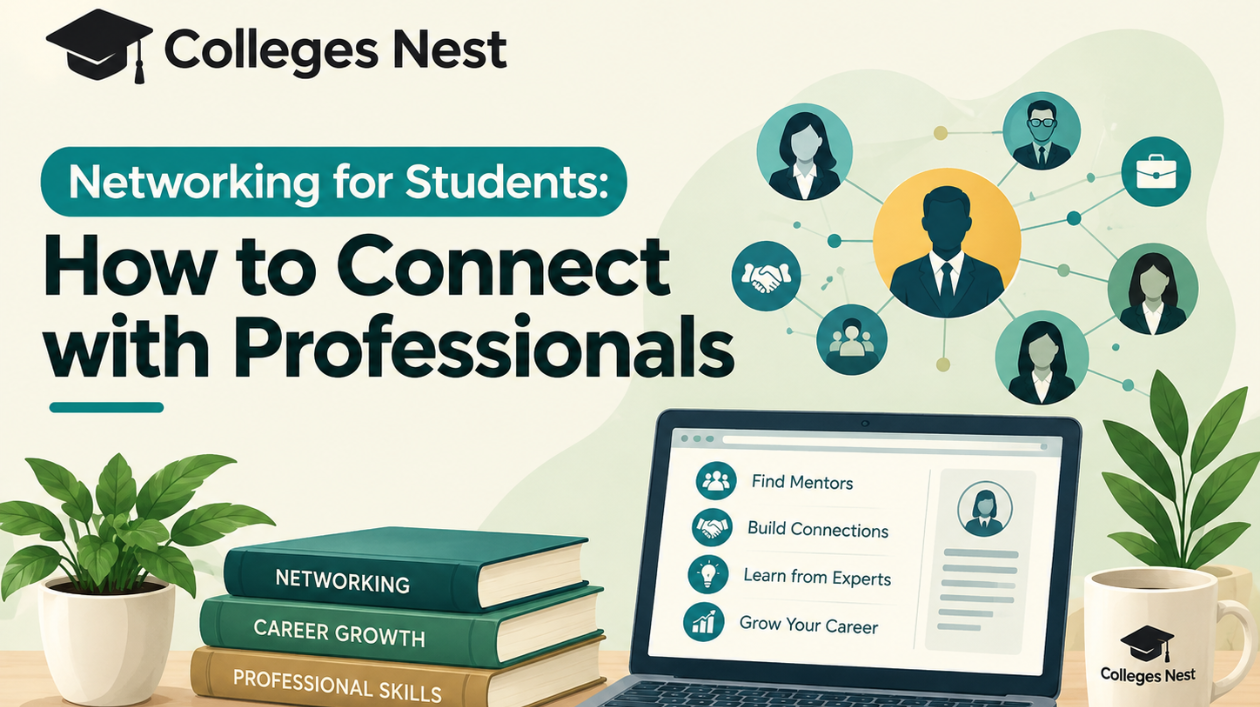
Many students believe networking is something you start after graduation, once you have a job title and a business card. In reality, the students who build professional relationships early are often the first to hear about internships, scholarships, and entry-level openings. Networking is not about asking strangers for jobs. It is about learning from people who are already where you want to be, and building relationships that grow over time.
1. Start with the Network You Already Have
You probably know more useful people than you realize. Professors, teaching assistants, classmates, seniors, alumni, family friends, and society mentors are all part of your network. Many of them have industry contacts or firsthand experience that can guide you.
Begin by having genuine conversations with these people. Ask about their career paths, what they wish they had known as students, and which skills matter most in your field. Warm connections are far easier to build than cold ones.
2. Build a Strong Online Presence First
Before you reach out to anyone, make sure your profile represents you well. Professionals will often check your LinkedIn profile before replying to a message, so it should include a clear photo, a specific headline, a short summary, and your education, projects, and skills.
A complete profile shows that you are serious and prepared. Even a student with no work experience can make a strong impression by presenting coursework, projects, and interests clearly.
3. Identify the Right People to Connect With
Random outreach rarely works. Instead, be intentional. Look for professionals working in roles you find interesting, alumni from your university, speakers from webinars you attended, and authors of articles or posts you found valuable.
LinkedIn's search filters let you find alumni by university, industry, and location. Alumni are especially approachable because you share a common background, and many are happy to help students from their former institution.
4. Write a Personalized Connection Request
The default connection request tells the recipient nothing about you. A short, thoughtful note significantly increases your chances of a response. Mention who you are, why you are reaching out, and what you have in common.
For example:
*"Hello Ms. Khan, I'm a third-year Business Administration student at [University]. I came across your post on career growth in marketing and found it very insightful. I'd be glad to connect and learn from your experience."*
Keep it brief, respectful, and free of requests in the first message. Do not ask for a job or referral right away.
5. Ask for Advice, Not Favors
Once someone accepts your request, the next step is a meaningful conversation. Instead of asking for opportunities, ask for perspective. Professionals are far more willing to share advice than to hand out referrals to someone they have just met.
Good questions include:
- How did you get started in this field?
- Which skills have been most valuable in your career?
- What would you recommend a student do to prepare for this industry?
If they agree to a short call or chat, respect their time. Ten to fifteen minutes is usually enough. Come prepared with two or three thoughtful questions.
6. Attend Events, Webinars, and Student Communities
Career fairs, university seminars, industry webinars, workshops, and professional society meetups are excellent places to meet people. Virtual events are especially useful because they remove geographical barriers and often allow you to interact through chat or Q&A sessions.
If you find large events intimidating, set a small goal, such as speaking to two new people or asking one question. Following up on LinkedIn within 24 hours, with a short message referencing your conversation, helps the connection last beyond the event.
7. Follow Up and Give Value in Return
Networking works best as a two-way relationship. After a conversation, send a short thank-you message and apply any advice you received. Later, update them on your progress, such as an internship you secured or a course you completed. This shows that you value their guidance.
You can also add value by sharing a useful article, congratulating them on an achievement, or engaging with their posts. Small, consistent gestures keep the relationship alive without being demanding.
## Networking Is Easier Than You Think
You do not need to be outgoing to network effectively. Introverts often excel at it because they prefer meaningful one-on-one conversations over large crowds. What matters is curiosity, consistency, and sincerity.
Start small, be respectful of people's time, and focus on learning rather than asking. Over time, these connections can become mentors, references, and even colleagues, and the relationships you begin building today can shape your career for years to come.